Clinical Trials Unit (CTU)
The Clinical Trials Unit (CTU) at the UVRI Clinical Research Program Initiative is a dedicated clinical research unit responsible for the conduct, management, and oversight of high-quality clinical trials in accordance with approved protocols, Good Clinical Practice (GCP), regulatory requirements, and international ethical standards.
The CTU supports the full clinical trial lifecycle, from study start-up and regulatory and ethical approvals through participant recruitment, trial implementation, clinical and safety management, data and documentation oversight, monitoring, annual continuing review/renewal, and study close-out. The Unit works closely with study sponsors, investigators, regulatory authorities, ethics committees, laboratories, and community stakeholders to ensure that clinical trials are conducted safely, efficiently, and to the highest scientific and ethical standards.
Facilities
The CTU has dedicated facilities which include:
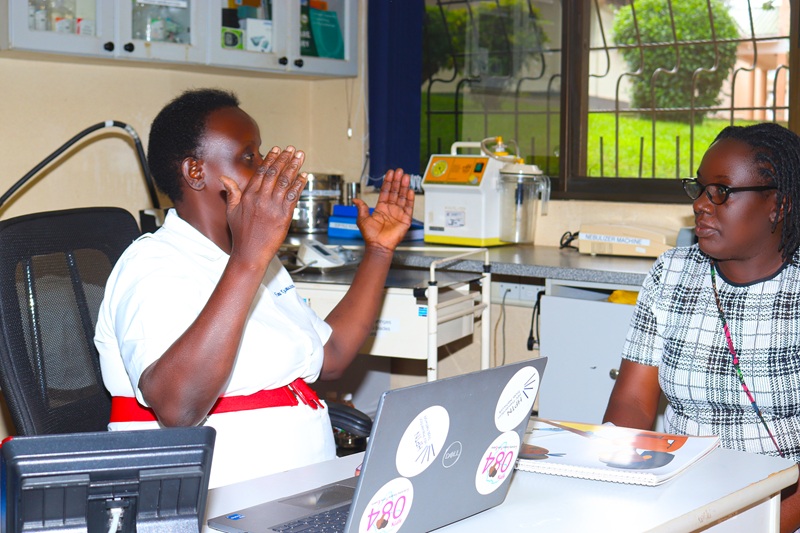
Clinical Rooms
The clinical rooms provide a private and confidential environment where participants undergo study-related clinical assessments and procedures
.jpg)
Pharmacy
The CTU has a dedicated study pharmacy responsible for the secure management of investigational medicinal products and other study-related medications. The pharmacy supports the receipt, storage, temperature monitoring, accountability, dispensing, reconciliation, and appropriate handling of investigational products in accordance with study protocols, pharmacy procedures, GCP, and regulatory requirements.

Study Offices
The study offices provide workspace for the clinical research and study teams involved in the day-to-day management of clinical trials.
Participant Waiting Area
The participant waiting area provides a comfortable and welcoming space for participants before and between study procedures. Participants are received and guided through the different stages of their study visit, including registration, clinical assessment, laboratory procedures, pharmacy activities, counselling, and other protocol-required procedures. The waiting area also provides an opportunity for participants to receive general study information and support while ensuring privacy, dignity, and respectful treatment throughout their visit.
Responsibilities of the Clinical Trials Unit
- Clinical trial design and development: Support protocol development, and development of study-related documents.
- Trial implementation and coordination: Coordinate the day-to-day conduct of clinical trials across sites, ensuring activities are implemented according to approved protocols, timelines, and budgets.
- Regulatory and ethical compliance: Facilitate submissions to ethics committees, regulatory authorities, and other oversight bodies and ensure compliance with applicable regulations and GCP requirements.
- Participant safety and protection: Establish systems for monitoring participant safety, reporting adverse events and serious adverse events, and ensuring appropriate medical oversight.
- Data management and statistical support: Develop and maintain data-management systems, oversee data quality, and support statistical analysis and interpretation of trial results.
- Quality management and assurance: Develop and implement quality-management systems, risk-based quality management, monitoring plans, audits, corrective and preventive actions (CAPA), and continuous quality improvement.
- Site management and monitoring: Support site selection and initiation, staff training, monitoring, performance management, and close-out activities.
- Investigational product management: Ensure appropriate receipt, storage, accountability, dispensing, and documentation of investigational medicinal products or vaccines.
- Research team capacity strengthening: Provide training, mentorship, and technical support to investigators and clinical research staff in clinical trial conduct, GCP, research ethics, and quality management.
- Trial documentation and record management: Maintain essential trial documents and ensure appropriate version control, confidentiality, and data integrity.
- Financial and resource management: Support trial budgeting, financial tracking, procurement, contracting, and efficient allocation of trial resources.
- Study team and sponsor engagement: Coordinate communication among investigators, sponsors, funders, regulatory authorities, ethics committees, collaborators, and participating communities.
- Trial reporting and dissemination: Coordinate preparation of progress reports, safety reports, final study reports, manuscripts, presentations, and dissemination of findings to relevant stakeholders.Participant recruitment, retention, and follow-up, with emphasis on informed consent, participant rights, confidentiality, and participant-centred care.
- Study documentation and data quality, ensuring that clinical information is accurate, complete, timely, and appropriately documented.
- Monitoring, audits, inspections, and sponsor oversight, including preparation for monitoring visits, quality assurance reviews, regulatory inspections, and study audits.
Specialist clinical research expertise
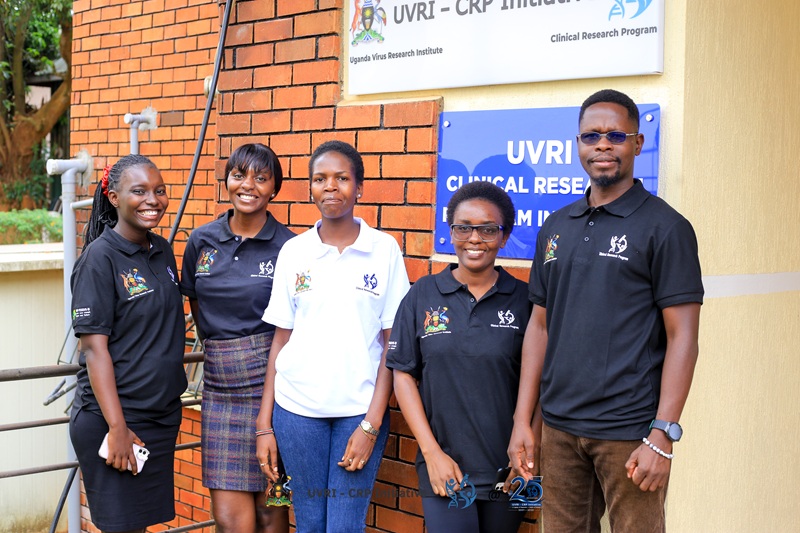
Team: The CTU is constituted by the following: Medical Officers, Clinical Officers, Clinical Research Nurses, Pharmacists, Study Coordinators/Regulatory Officers.
Commitment: The CTU's work is a commitment to participant safety, scientific integrity, regulatory compliance, and high-quality clinical research. The Unit strives to ensure that every participant is treated with dignity, respect, and confidentiality and that research activities are conducted ethically, transparently, and in accordance with applicable national and international standards.
.jpg)